






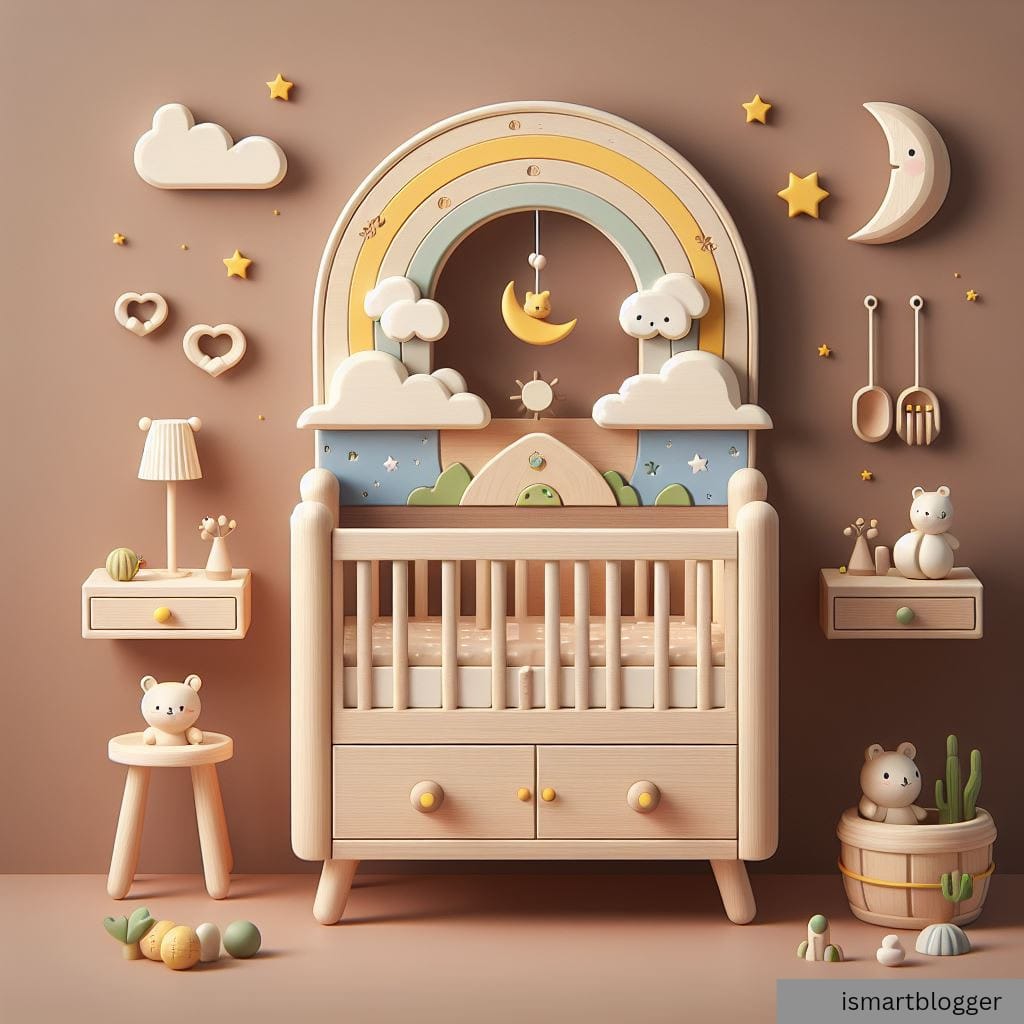
Introduction to Non-toxic Nursery Furniture
Importance of creating a safe environment for babies
When it comes to our little bundles of joy, their safety and well-being are at the forefront of our minds. As parents, we strive to provide them with a nurturing environment that fosters their growth and protects them from any harm. This is particularly crucial during their early years when they spend a significant amount of time in their nursery.
Creating a safe space for your baby is not just about using outlet covers or securing furniture; it also involves choosing non-toxic nursery furniture. Babies have delicate systems that are still developing, making them more susceptible to the harmful effects of toxic chemicals commonly found in conventional nursery furniture.
These toxins can be emitted as gases over time, affecting indoor air quality and potentially causing respiratory issues or allergies. By opting for non-toxic nursery furniture, we can significantly reduce the exposure of our little ones to these hazardous substances.
Overview of non-toxic nursery furniture and its benefits
Non-toxic nursery furniture refers to cribs, changing tables, dressers, and other items made from materials that do not contain harmful chemicals or emit volatile organic compounds (VOCs) into the air. The primary purpose of using such furniture is twofold: ensuring the health and well-being of your baby while also being environmentally conscious. One key benefit of non-toxic nursery furniture is the reduced exposure it provides to harmful chemicals like formaldehyde or flame retardants often found in conventional options.
These chemicals have been linked to various health risks such as respiratory problems, developmental issues, and even certain types of cancers. By investing in non-toxic alternatives, you create a safer environment where your baby can thrive without unnecessary exposure to harmful substances.
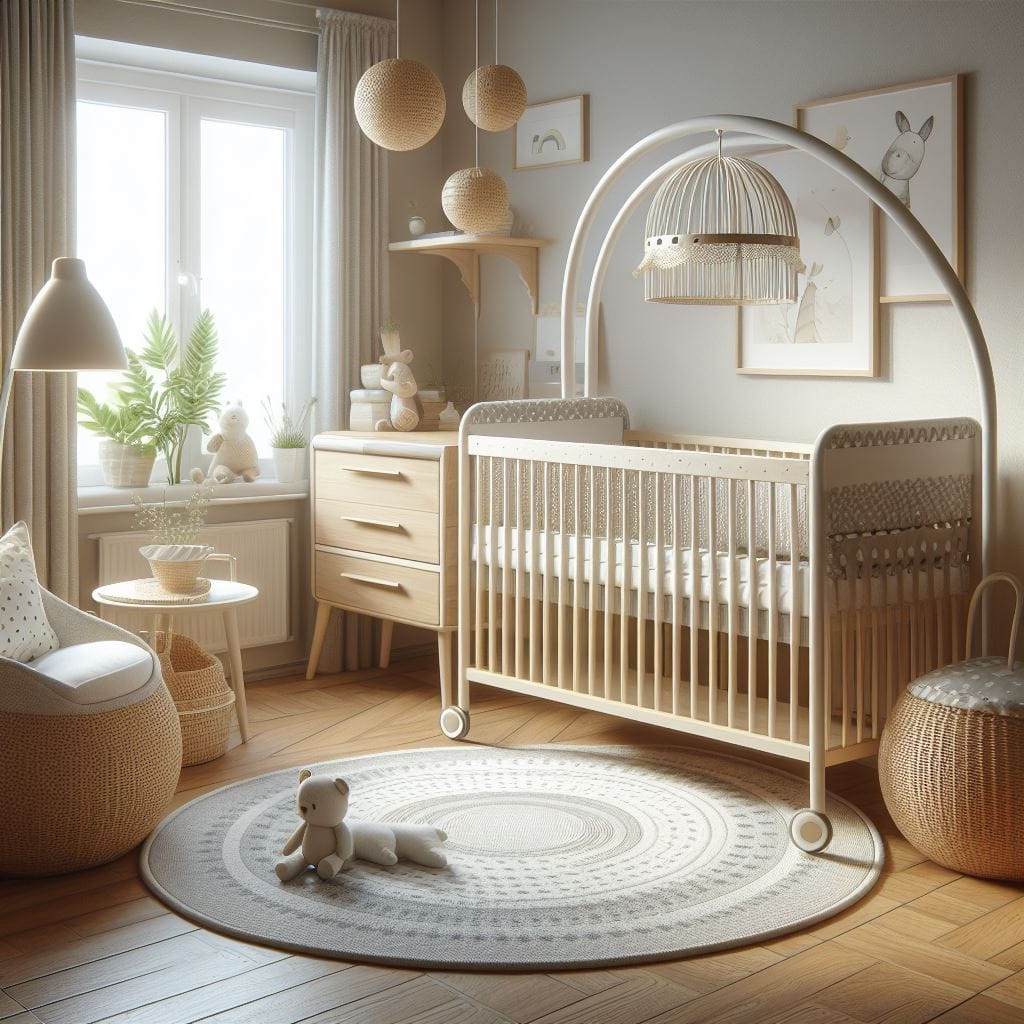
Moreover, opting for non-toxic nursery furniture also contributes positively to the environment. Many manufacturers who specialize in non-toxic furniture prioritize sustainable practices, such as using responsibly sourced materials and minimizing waste during production.
By choosing these eco-friendly options, you play a part in reducing pollution and supporting a more sustainable future. Non-toxic nursery furniture is not only beneficial for your baby’s health and the environment but also provides a peace of mind for parents.
Knowing that you have made an informed choice to create a safe haven for your little one can ease any worries or anxieties. In the following sections, we will delve deeper into the specific toxic chemicals commonly found in conventional nursery furniture and explore the materials and certifications associated with non-toxic alternatives.
Understanding Toxic Chemicals in Conventional Nursery Furniture
Common toxic chemicals found in conventional furniture
When it comes to conventional nursery furniture, there is often more than meets the eye. Many of these seemingly innocent pieces are made using materials that contain harmful chemicals. One such chemical is formaldehyde, a colorless gas known for its strong smell and potential health risks.
Formaldehyde is commonly used in the production of pressed wood products, such as plywood and particleboard, which are often used for cribs and dressers. This chemical can be released into the air over time, contributing to poor indoor air quality and posing health risks for babies.
Formaldehyde and its health risks
Formaldehyde might sound like a fancy term from chemistry class, but its effects on our health are far from glamorous. Prolonged exposure to formaldehyde can cause respiratory issues such as coughing, wheezing, and asthma attacks.
It can also irritate the eyes, nose, and throat. For babies who spend a significant amount of their early life in nurseries furnished with conventional products containing formaldehyde-laden materials, the risk of developing these health problems increases significantly.
Volatile Organic Compounds (VOCs) and their impact on indoor air quality
Volatile Organic Compounds (VOCs) are another group of harmful substances that commonly lurk within conventional nursery furniture. These compounds can be found in paints, finishes, adhesives, and even natural fibers that have been treated with chemicals during production.
When VOCs evaporate into the air at room temperature (known as off-gassing), they contribute to indoor pollution levels. Babies who breathe in high concentrations of VOCs may experience various adverse effects on their developing respiratory systems and overall well-being.
Flame retardants and their potential harm to infants
Flame retardants are yet another concerning chemical commonly found in conventional nursery furniture. These chemicals are added to meet flammability standards, but they come with their own set of risks.
Flame retardant compounds have been associated with developmental delays, hormone disruption, and even cancer in children. Infants are particularly vulnerable as they spend a significant amount of time in close contact with their cribs and other pieces of furniture.
Exposure to flame retardants through direct contact or inhalation can have long-lasting effects on their health. Understanding the toxic chemicals present in conventional nursery furniture is crucial for creating a safe environment for our little ones.
Formaldehyde, VOCs, and flame retardants pose serious health risks for babies and can have long-term consequences on their well-being. By being aware of these harmful substances and opting for non-toxic alternatives, we can protect our children from unnecessary exposure and give them the healthy start they deserve in life.
Benefits of Non-toxic Nursery Furniture
Health Advantages for Babies
When it comes to furnishing a nursery, the well-being of our little ones should always come first. Opting for non-toxic nursery furniture is a wise decision as it offers numerous health advantages for babies.
One significant benefit is the reduced exposure to harmful chemicals commonly found in conventional furniture. Unlike their toxic counterparts, non-toxic furniture is free from toxic substances such as formaldehyde and volatile organic compounds (VOCs), which are known to pose serious health risks.
By choosing non-toxic nursery furniture, parents can significantly decrease the chances of respiratory issues and allergies in their babies. Conventional furniture often contains high levels of VOCs that are released into the air over time, contributing to poor indoor air quality.
These chemicals can irritate delicate respiratory systems, causing breathing difficulties and triggering allergies. Non-toxic furniture helps create a safer environment where infants can breathe cleaner air and enjoy better overall health.
Environmental Benefits
Not only do non-toxic nursery furniture options prioritize the health of our little ones, but they also come with environmental benefits that make them an excellent choice for eco-conscious parents. One major advantage is decreased pollution during production and disposal processes. Conventional furniture manufacturing involves various chemical treatments and harsh processes that release harmful pollutants into the environment.
By opting for non-toxic alternatives, parents can contribute to reducing pollution and its detrimental effects on our planet. Additionally, choosing non-toxic nursery furniture supports sustainable practices in the furniture industry.
Many manufacturers of non-toxic furniture prioritize using sustainable materials, such as responsibly sourced solid wood from managed forests or recycled materials. By supporting these companies, parents actively encourage ethical sourcing practices and help promote a more eco-friendly approach within the industry as a whole.
Selecting non-toxic nursery furniture provides an array of benefits for both babies and the environment. By reducing exposure to harmful chemicals, infants can enjoy better health and a reduced risk of respiratory issues and allergies.
Furthermore, choosing non-toxic options helps decrease pollution during production and disposal processes, while also supporting sustainable practices within the furniture industry. These advantages make non-toxic nursery furniture a smart and conscious choice for parents who prioritize their child’s well-being and the protection of our planet.
Choosing Non-toxic Materials for Nursery Furniture
Natural Solid Wood as a Safer Alternative
When it comes to selecting nursery furniture, opting for natural solid wood is a wise choice. Unlike composite materials that may contain harmful chemicals, solid wood provides a safer and healthier option for your baby’s nursery. Not only does natural wood exude a certain timeless elegance, but it also offers numerous advantages over its composite counterparts.
Advantages of Solid Wood over Composite Materials
One of the primary benefits of choosing solid wood is its lower VOC emissions. Volatile Organic Compounds, commonly found in composite materials, can release toxic fumes into the air and potentially harm your little one’s health.
In contrast, natural solid wood emits minimal or no VOCs, ensuring cleaner and healthier indoor air quality for your baby to breathe. Additionally, solid wood furniture tends to have a longer lifespan compared to composite alternatives.
These sturdy pieces are built to withstand the test of time, providing durability that can endure years of use and even be passed down to future generations. Moreover, when the time comes for an update or if you decide to repurpose the furniture elsewhere in your home or donate it, solid wood can be easily repurposed or recycled due to its organic nature.
Safe Finishes and Coatings
While choosing non-toxic materials is crucial when selecting nursery furniture, it is equally important to pay attention to the finishes and coatings used on these pieces. Harmful chemicals can often lurk in paints, stains, and sealants commonly applied as finishes on furniture surfaces. When looking for safe finishes and coatings for your baby’s nursery furniture, opt for low or zero-VOC options whenever possible.
Water-based paints are particularly recommended as eco-friendly alternatives due to their reduced VOC content compared to solvent-based counterparts. These water-based finishes provide a healthier choice for your little one’s environment, ensuring that they are not exposed to unnecessary toxins.
To ensure the safety and integrity of your chosen nursery furniture, keep an eye out for certification labels such as GREENGUARD. This renowned certification indicates that the product has undergone rigorous testing and meets strict standards for indoor air quality, ensuring it is genuinely non-toxic.
V: Certifications and Standards for Non-toxic Nursery Furniture
Overview of Recognized Certifications
When searching for non-toxic nursery furniture, it’s helpful to have an understanding of recognized certifications and standards that guarantee the safety and environmental responsibility of these products. By choosing furniture with these certifications, you can have peace of mind knowing that they adhere to strict regulations for toxic emissions, sustainable sourcing, and ethical practices.
1: GREENGUARD Gold Certification
The GREENGUARD Gold certification is a highly regarded standard specifically related to indoor air quality. Products bearing this certification have been thoroughly tested to ensure they emit minimal levels of harmful chemicals into the surrounding air. This certification assures that your baby will be in an environment free from potentially hazardous substances.
2: Forest Stewardship Council (FSC) Certification
The Forest Stewardship Council (FSC) certification focuses on promoting responsible forest management. Furniture with FSC certification guarantees that the wood used comes from sustainably managed forests where biodiversity is protected, local communities benefit, and deforestation is limited.
3: Global Organic Textile Standard (GOTS)
While not specific to furniture itself but rather textiles used in the nursery such as bedding or upholstery materials, the Global Organic Textile Standard (GOTS) ensures that fabrics are made using organic fibers without any harmful chemicals during production. Choosing GOTS-certified textiles contributes to a healthier sleeping environment for your little one.
VI: Conclusion
In the pursuit of creating a safe and nurturing environment for your little one, selecting non-toxic nursery furniture is of utmost importance. By embracing natural solid wood over composite materials, you provide a healthier and more sustainable option that emits minimal VOCs, has a longer lifespan, and can be easily repurposed or recycled. Additionally, paying attention to safe finishes and coatings, such as low or zero VOC options, ensures that harmful chemicals are kept at bay.
Moreover, looking for recognized certifications like GREENGUARD Gold, FSC, and GOTS offers further assurance that the furniture you choose meets strict standards for safety and environmental responsibility. These certifications give you confidence in your purchase while contributing to a healthier planet. By prioritizing non-toxic nursery furniture and considering the materials used in their production, you not only safeguard your baby’s well-being but also make an environmentally responsible choice. Let us create spaces where our little ones can thrive while being surrounded by beauty and safety.